
Notable Grahams
Info Box
Throughout history, the Gallant Grahams have long served their countries, leading the way as military commanders, statesmen, clergymen, scientists and pioneers in their fields.
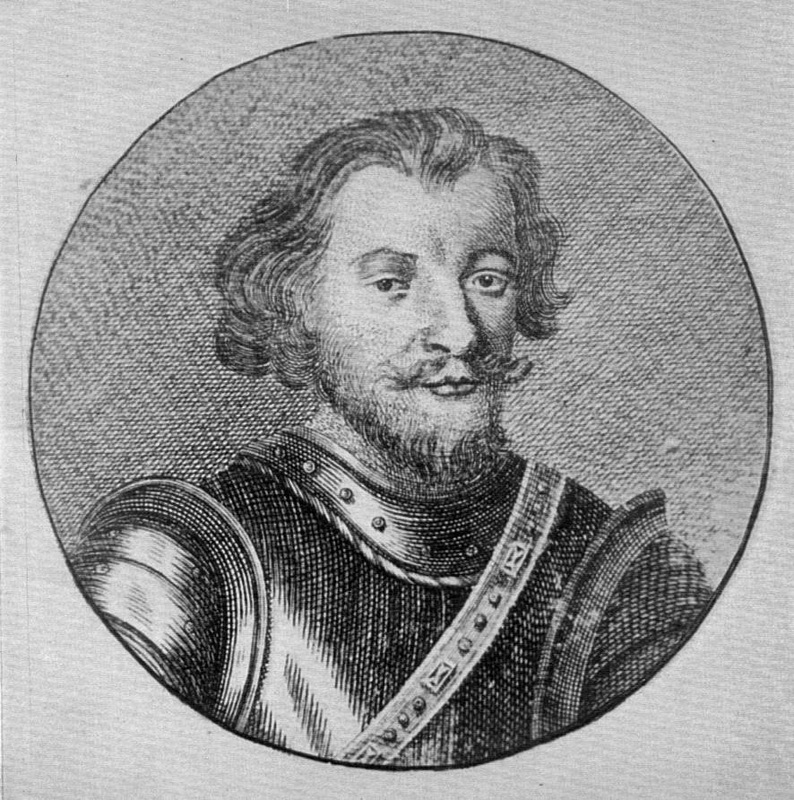
Sir John de Graeme of Dundaff, with “The Bright Sword” (1235-1298)
Sir John was the right-hand man of Sir William Wallace. He fought in the first War of Scottish Independence, to include the famous Battle of Stirling Bridge. When he was killed in action at the Battle of Falkirk in 1298, Wallace personally carried his body to St. Mary’s Kirk, Falkirk Churchyard where you can visit his grave today. Sir John’s famous sword is thus inscribed: “Sir John de Graham verry wicht and wyse,
Ane o ye chiefs relievet Scotland thryse,
Fought vith ys sword, and ner thout schame,
Commandit nane to beir it bot his name.”
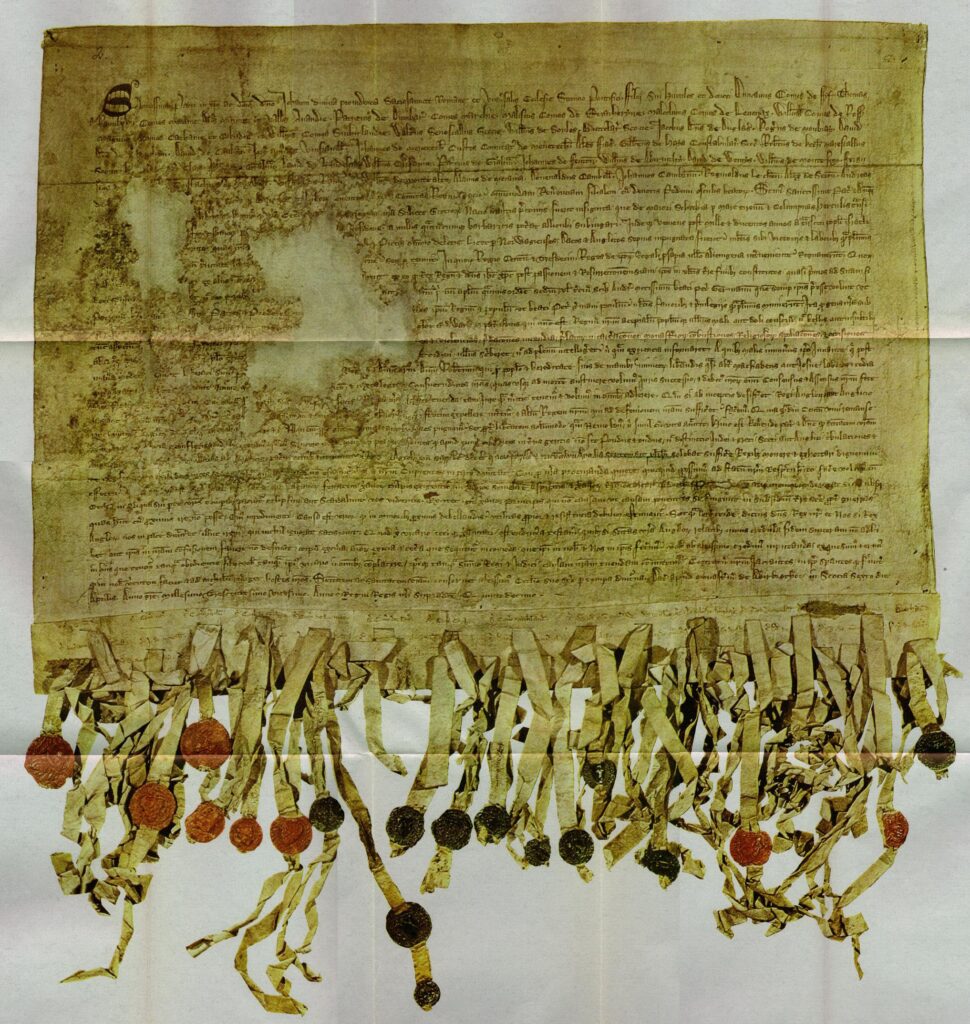
Sir John de Grahame, Lord of Dalkeith (1278-1337)
Sir John was a signer of the famous Declaration of Arbroath in 1320. The Declaration of Arbroath has been compared to the American Declaration of Independence. The document asked Pope John XXII to recognize Scotland’s independence and acknowledge Robert the Bruce (Robert I) as the country’s lawful king.
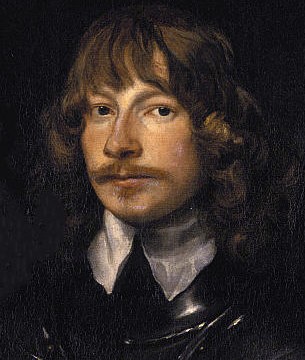
James Graham, 1st Marquis of Montrose (1612-1650)
The marquis was a brilliant military strategist and general who supported Charles I during the English Civil Wars. His tactics are still studied today. He was executed in 1650, a few months after Charles I. When Charles II was crowned, he ordered an elaborate hero’s funeral for the marquis in 1661. The marquis is buried in St. Giles Cathedral in Edinburgh.
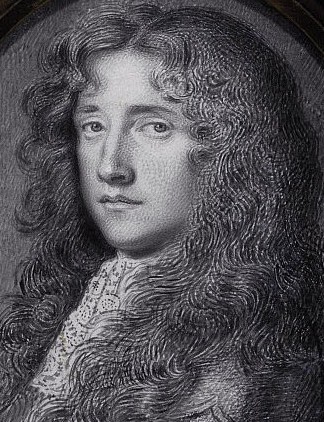
By David Paton, Displayed by the National Galleries of Scotland
Colonel John Graham, 7th Laird of Claverhouse, 1st Viscount Dundee (1648-1689)
Colonel Graham was made famous by Sir Walter Scott’s ballad called “Bonnie Dundee.” For his distinguished military service to James VII of Scotland (James II of England), he was granted the title 1st Viscount of Dundee. He was killed in action at the Battle of Killiecrankie in 1689.
Wellcome Collection gallery
(2014-10-22) CC BY-SA-4.0
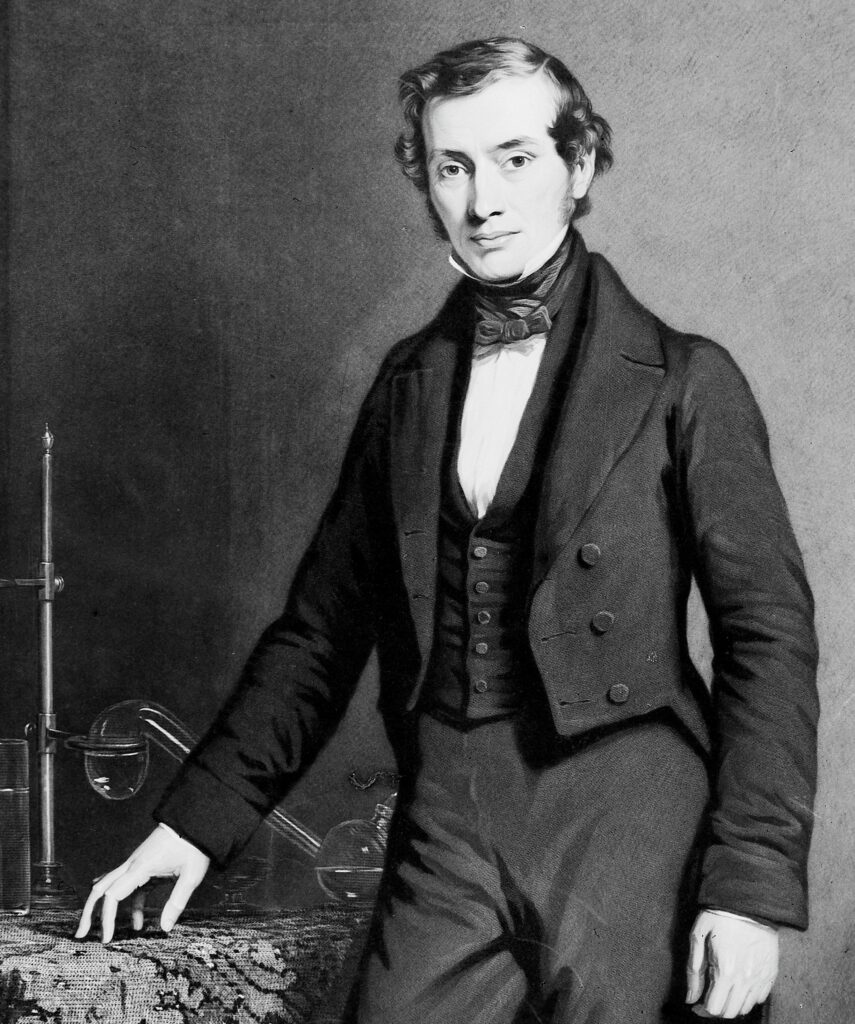
Dr. Thomas Graham, chemist (1805-1869)
Thomas Graham studied chemistry at the University of Glasgow, receiving a Master Degree in 1824. He then studied medicine at the University of Edinburgh. He was appointed to the first Chair of Chemistry at Anderson’s University in 1830 and professor at the University of London in 1841. He pioneered the use of laboratory practical classes for all his students.
Graham is often considered the father of colloid chemistry, the basis for modern kidney dialysis. His other major contribution was in the diffusion of gases. In 1833 Graham published an article, On the Law of the Diffusion of Gases, in which he described what is now known as Graham’s Law of Gaseous Diffusion. Queen Victoria appointed him Master of the Mint in 1854, a position he held until his death in 1869.
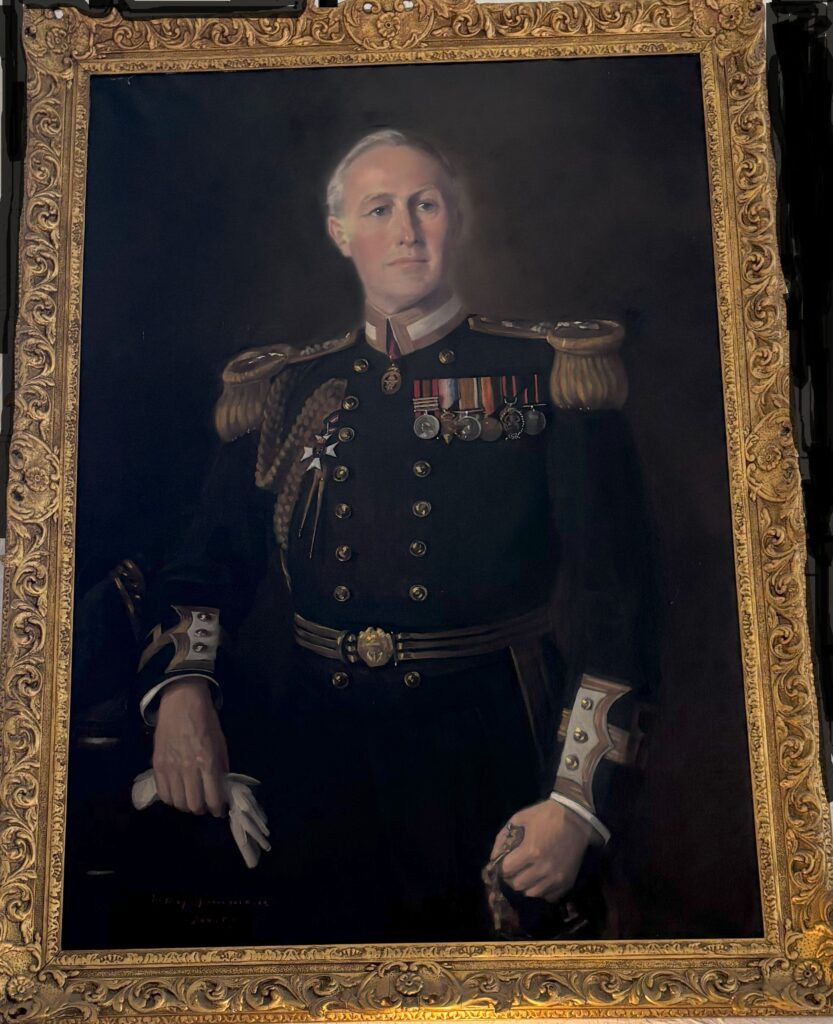
Commodore James Graham, 6th Duke of Montrose (1878-1954)
Commodore James Graham, 6th Duke of Montrose, KT (Knight of the Thistle), CB (Companion of the Order of the Bath), CVO (Commander of the Royal Victorian Order), and VD (Victoria Decoration), was also a politician and engineer. He took the first film of a solar eclipse and is considered the inventor of the aircraft carrier. It was Commodore James Graham’s drive and influence that resulted in the formation of the Royal Naval Volunteer Reserve (RNVR) in 1903. His Grace was also the designer and owner of the first seagoing heavy oil motorship.
Although there have only been two operational vessels of the Royal Navy named Montrose, traditionally from 1946 to 1968, whichever ship was attached to the Tay Division of the Royal Naval Reserve in Dundee was temporarily renamed HMS Montrose in honor of Commodore James Graham. The last ship (F236) named HMS Montrose was decommissioned 17 April 2023. The 8th Duke of Montrose attended the farewell reception.
The 6th Duke published his memoirs called My Ditty Box in 1952.
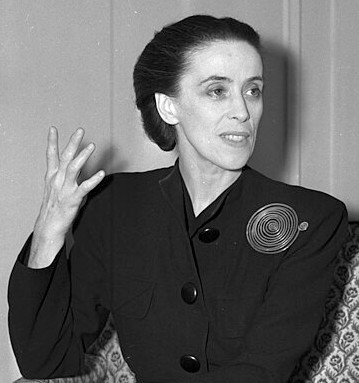
Martha Graham (1894-1991)
Martha Graham, American dancer and choreographer, is known as the mother of modern dance and for her trademarked “Graham technique.” She founded her dance company and school in New York in 1926. Both are still active today.
Per MarthaGraham.org: “In 1976, President Gerald R. Ford bestowed upon Martha Graham the United States’ highest civilian honor, The Presidential Medal of Freedom, and declared her a “national treasure,” making her the first dancer and choreographer to receive this honor. Another Presidential honor was awarded Martha Graham in 1985 when President Ronald Reagan designated her among the first recipients of the United States National Medal of Arts.”
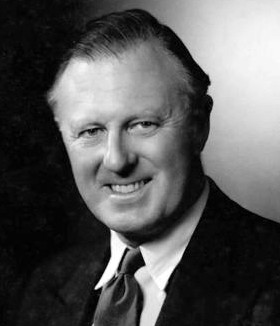
James Angus Graham, 7th Duke of Montrose (1907-1992)
In the 1930s, the then 7th Marquis of Graham and later the 7th Duke of Montrose, moved to Rhodesia, Africa to establish himself as a farmer and cattle man. He served as Minister of Agriculture and Minister of Foreign Affairs in the South African government under Ian Smith. As the 7th Marquis of Graham, he served in the Royal Navy during the 2nd World War and saw action during the battle of the Mediterranean and during Russian convoy patrols. He served as a ship captain. His crew were all Gaelic speakers, as was he, which must have been very confusing for the enemy who were listening in on their communications.
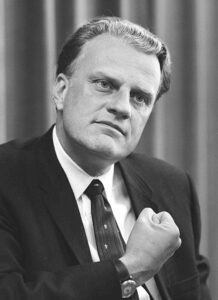
April 11, 1966
Rev. William Franklin “Billy” Graham Jr. (1918-2018)
Rev. Graham was an American evangelist, Southern Baptist minister and civil rights advocate. He became famous for his “Crusades,” evangelistic campaigns conducted worldwide between 1947 and 2005 and his friendships with U.S. presidents and Queen Elizabeth II. He wrote 30 books in his lifetime, several that made best-seller lists. In 1983, President Ronald Reagan awarded Rev. Graham the United States’ highest civilian honor, The Presidential Medal of Freedom
He was also known as a pioneer in the use of new technologies to preach the Gospel, from radio and television to films and the internet.
